





Have you ever wondered why your bananas ripen faster when sitting next to your apples? Or why your lettuce becomes limp and your vegetables spoil sooner when stored near certain fruits?
The answer may be ethylene gas — a naturally occurring plant hormone released by ripening fruits that can speed up the ageing process of nearby produce.
While ethylene plays an important role in nature, understanding how it works can help you store your fruit and vegetables more effectively, reduce food waste, and keep your produce fresher for longer.
What Is Ethylene Gas and How Does It Affect Your Fruit and Vegetables?
Ethylene gas is a naturally occurring plant hormone that helps fruits and vegetables ripen. Often called the “ripening hormone”, ethylene acts as a chemical messenger that tells plants when it is time to mature, soften, develop colour, and become more flavourful.
As fruits ripen, they naturally release more ethylene. This ethylene can affect nearby produce by speeding up the ageing process, causing some fruits and vegetables to ripen or deteriorate faster than expected.
This is why storing certain fruits and vegetables together can sometimes lead to unexpected food waste.
Understanding ethylene gas can help you make smarter storage choices and extend the freshness of your produce.
Why Do Fruits Produce Ethylene Gas?
Plants produce ethylene as part of their natural growth and reproduction cycle. It helps coordinate important processes including:
Ripening
As many fruits mature, ethylene triggers a series of natural changes, including:
- converting starches into sugars,
- softening the fruit’s texture,
- developing colour,
- enhancing flavour and aroma.
This is why a hard avocado can become perfectly ripe after a few days — ethylene is helping guide the process.
Seed Dispersal
Ripe fruit releases signals, including ethylene, that indicate it is ready to be eaten. When animals consume the fruit, they help spread the seeds, allowing plants to reproduce.
Coordinating Plant Development
Ethylene helps plants respond to environmental changes and coordinate growth, ripening and ageing processes.
Which Fruits Produce the Most Ethylene Gas?
Some fruits naturally produce higher levels of ethylene than others. These are known as ethylene-producing fruits.
Common high ethylene producers include:
🍎 Apples
🍌 Bananas
🥑 Avocados
🍐 Pears
🍑 Peaches and nectarines
🍅 Tomatoes
🥭 Mangoes
🍑 Plums
These foods can speed up ripening in nearby produce, especially ethylene-sensitive vegetables which is why it is great to keep these in a small fruit bowl so they can ripen naturally.
Which Fruit and Vegetables Are Sensitive to Ethylene?
Some produce is more affected by exposure to ethylene and may deteriorate faster when stored nearby.
Ethylene-sensitive produce includes:
🥬 Leafy greens such as lettuce, spinach and salad leaves
🥕 Carrots
🥬 Celery
🌿 Fresh herbs such as parsley, coriander and basil
🥦 Broccoli and other cruciferous vegetables
🥒 Cucumbers
🍆 Eggplant (aubergine)
🌱 Some root vegetables
For example, storing apples next to leafy greens may cause those greens to lose freshness faster.
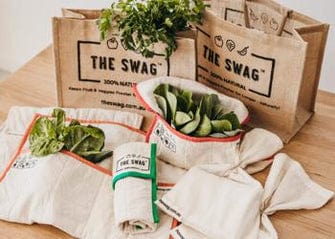
Leafy greens are particularly sensitive to changes in moisture and airflow, which is why proper storage is essential. Our Leafy Greens Bundle is designed specifically to help keep delicate greens, herbs and salad leaves fresh for longer by creating the ideal storage environment.
Celery is another vegetable that benefits from the right balance of moisture and airflow. Find out how to store celery so it stays crisp and fresh for longer. We recommend our Long Swags for storing celery.
Carrots are particularly sensitive to storage conditions, and keeping them in the right environment can make a significant difference to their texture and freshness. Discover our tips on how to store carrots to keep them fresh for longer.
Is Ethylene Gas Harmful To Humans?
No. Ethylene gas produced naturally by fruit and vegetables is not harmful to humans at the levels found in everyday food storage.
It is a natural part of the plant ripening process and is present in many of the foods we eat.
However, ethylene can contribute to faster ripening and spoilage of nearby produce. When fresh food spoils before it can be eaten, it contributes to unnecessary food waste.
The good news is that simple storage changes can help slow this process and keep your produce fresher for longer.
How To Store Produce To Reduce Ethylene-Related Spoilage
While you cannot stop ethylene production completely, you can reduce its impact by storing your produce correctly.
Keep ethylene-producing fruits separate from sensitive vegetables
Try storing foods such as:
High ethylene producers:
- apples
- bananas
- avocados
- pears
- tomatoes
away from:
Ethylene-sensitive produce:
- lettuce
- spinach
- herbs
- carrots
- broccoli
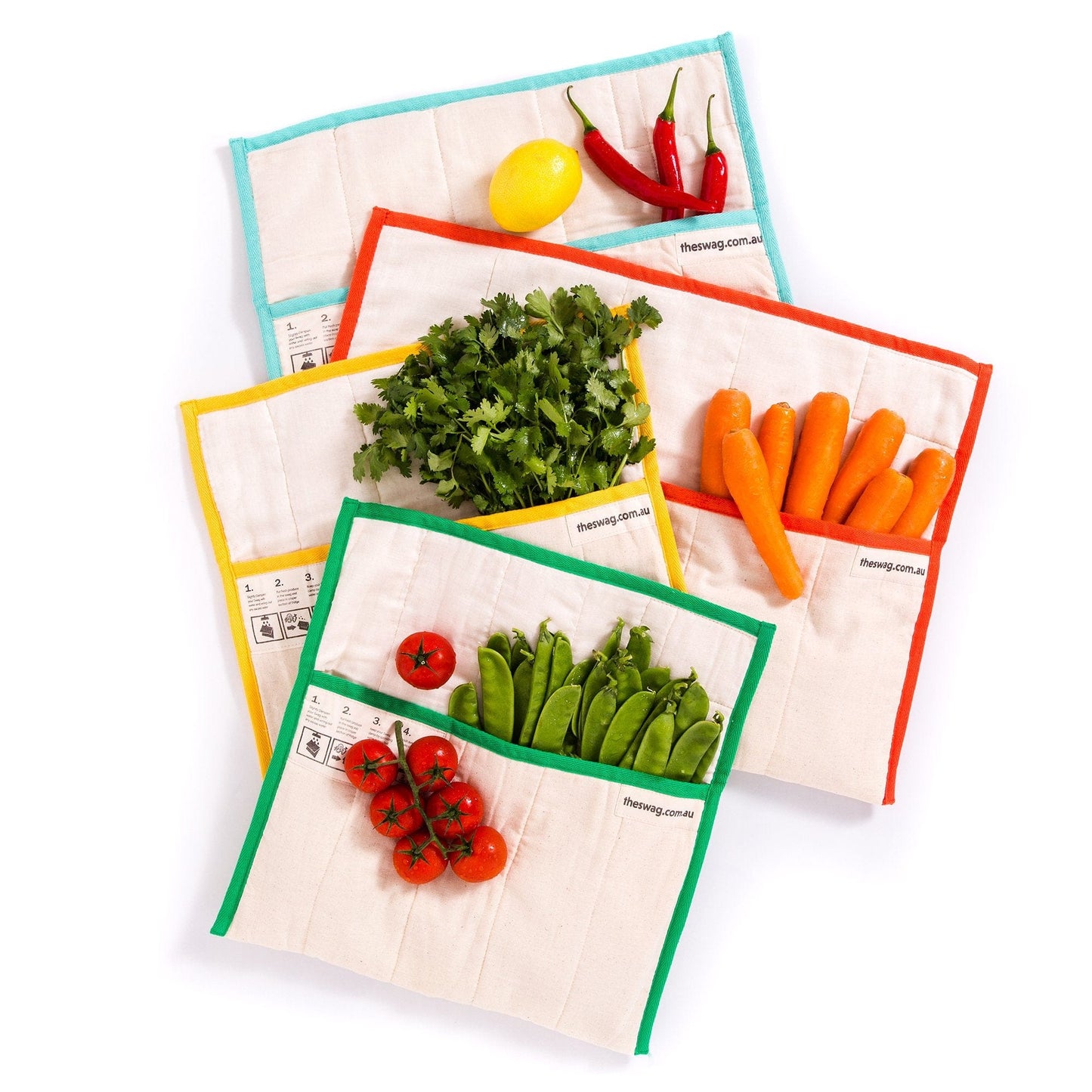
While high ethylene-producing fruits are best left in the fruit bowl to ripen naturally, you can also extend their freshness by storing partially ripe fruit in a damp Swag in the fridge. The cooler temperature and breathable cotton fabric help slow the ripening process, giving you more time to enjoy the fruit on your bench.
As the fruit in your fruit bowl ripens, simply replace it with the fruit stored in your Swag, helping you maintain a continuous supply of fresh, ready-to-eat produce while reducing food waste.
Store different produce in the right conditions
Different fruits and vegetables have different storage needs. Some produce prefers cooler temperatures, some requires good airflow, and others benefit from a balanced level of humidity to help maintain freshness.
This is where The Swag can help. Unlike plastic bags or airtight containers that can trap excess moisture and restrict airflow, The Swag’s breathable cotton layers allow air to circulate while helping manage humidity around your produce. This creates a more natural storage environment, helping reduce the conditions that contribute to faster spoilage.
By storing your produce in the right conditions, you can help extend freshness, reduce food waste, and enjoy your fruit and vegetables for longer.
Simply placing all produce together in the fridge or fruit bowl may not always provide the ideal environment, as ethylene-producing fruits can accelerate the ageing process of nearby sensitive vegetables.
How The Swag Helps Keep Your Produce Fresher
The Swag is designed to create the ideal storage environment for fresh fruit and vegetables by balancing airflow and moisture.
Made from natural cotton, The Swag’s breathable fabric helps manage condensation while allowing produce to breathe — helping reduce the conditions that can contribute to faster spoilage. Unlike plastic bags or airtight containers that can trap excess moisture and restrict airflow, The Swag’s breathable cotton layers allow air to circulate while helping manage humidity around your produce.
By combining smart storage habits with The Swag, you can help extend the life of your fresh produce, reduce food waste, and make the most of your groceries.
Want to learn more about storing different types of produce? Our complete produce storage guide shares practical tips for keeping your fruit and vegetables fresher for longer, including how to store leafy greens, herbs, root vegetables and more.
Other Tips To Keep Fruit and Vegetables Fresh
Along with managing ethylene exposure, these simple habits can help extend produce freshness:
- Washing your produce before storage can also help remove dirt and residues before placing it away. Learn more in our guide on how to wash fruit and vegetables before storing them.
- Remove damaged or overripe produce before it affects nearby items.
- Store leafy greens and herbs together in one Swag to help maintain freshness.
- Keep onions and potatoes in a dry Swag in the pantry
- Store bread separately from fruit to maintain quality.
Frequently Asked Questions About Ethylene Gas
Does ethylene gas make fruit ripen faster?
Yes. Ethylene acts as a natural ripening hormone and helps many fruits mature faster.
Should fruit and vegetables be stored separately?
Often, yes. Many fruits produce ethylene, which can speed up ageing in sensitive vegetables.
Does putting bananas next to apples make them ripen faster?
Yes. Both bananas and apples produce ethylene, which can accelerate ripening in nearby produce. Bananas also work well to help ripen avocados and tomatoes in the fruit bowl.
Can ethylene gas make food unsafe?
Ethylene itself is not harmful to humans, but food that spoils before it can be eaten contributes to food waste.
Final Thoughts
Ethylene gas is a fascinating part of the natural ripening process. While it helps fruit become sweet, colourful and delicious, it can also contribute to faster spoilage when produce is stored incorrectly.
By understanding which foods produce ethylene, which foods are sensitive to it, and how to store your produce properly, you can help your groceries stay fresher for longer.
Small changes in the way we store food can make a big difference — helping reduce waste, save money and enjoy fresher fruit and vegetables every day.
The Swag Bag's innovative design ensures that ethylene gas is managed effectively, helping you enjoy fresh, delicious fruits and vegetables while contributing to a sustainable, waste-free world. The Swag helps create a breathable storage environment that manages moisture and airflow, which can help slow spoilage and extend freshness. Happy eco-conscious eating!
Related Produce Storage Guides
- How to Store Celery So It Stays Crisp and Fresh
- How to Store Carrots for Longer
- How to Wash Fruit and Vegetables Before Storage
- The Complete Produce Storage Guide
- How to Keep Leafy Greens Fresh


