





Christmas is a time for celebration, connection and (of course) food. But behind the festive spreads and overflowing fridges lies a less joyful reality: Christmas is the biggest food waste season in Australia.
Each year, household food waste spikes dramatically over the festive period. In fact, food waste in Australia increases by around 30% at Christmas, leading to millions of perfectly good meals being thrown away. Most of this waste happens at home - not because food has gone bad, but because we’ve simply bought and cooked too much.
The good news? Christmas food waste is largely preventable. With a few mindful swaps and better storage habits, you can enjoy the festive season while reducing waste, saving money and doing something positive for the planet.
Why does food waste increase so much at Christmas?
The biggest driver of Christmas food waste in Australia is over-catering. We tend to shop “just in case” - extra vegetables, extra meat, extra sides, often influenced by tradition, marketing and the fear of running out.
Other common reasons include:
-
Cooking more food than guests can realistically eat
-
Buying fresh produce without a plan for how it will be used
-
Poor food storage leading to produce spoiling quickly
-
Leftovers being forgotten in the fridge
-
Uncertainty about what can be frozen or reused
Shockingly, a large portion of food discarded during Christmas is still perfectly edible. When food ends up in landfill, it doesn’t just waste money - it wastes all the water, energy and resources used to grow, transport and package it.
The impact of Christmas food waste
Food waste isn’t just a household issue, it’s an environmental one. When food breaks down in landfill, it produces methane, a greenhouse gas far more potent than carbon dioxide.
In Australia, food waste costs the economy billions of dollars each year, and Christmas plays a significant role in that figure. Reducing food waste during the festive season is one of the simplest and most effective ways households can lower their environmental footprint.
How to reduce food waste this Christmas
The key to tackling Christmas food waste isn’t about perfection, it’s about planning, storage and using what you already have.
1. Plan meals realistically
Before heading to the shops, take a moment to plan how many people you’re feeding and how many meals you’ll actually need. Consider:
-
What’s already in your fridge or pantry
-
Which dishes can double as leftovers
-
Whether every side dish is really necessary
Planning doesn’t mean sacrificing abundance, it simply helps avoid excess that ends up uneaten.
2. Buy less (and shop smarter)
Festive marketing encourages bulk buying, but more food doesn’t equal a better Christmas. Buying smaller quantities of fresh produce more intentionally can significantly reduce waste.
Choose loose fruit and vegetables where possible, and avoid multipacks unless you’re confident everything will be used.
3. Get creative with leftovers
Leftovers don’t have to mean the same meal on repeat. With a little creativity, they can become something entirely new.
Some easy ideas:
-
Roast vegetables turned into soups, fritters or pasta sauces
-
Leftover turkey or vegetables baked into pies, pastries or a good old sandwich!
-
Veggie scraps used to make stock
-
Salad greens added to omelettes or stir-fries
Planning one or two “leftover meals” into the days after Christmas can dramatically cut waste.
4. Use proper produce storage to keep food fresh for longer (even once it’s cut)
One of the biggest reasons food gets wasted at Christmas is because it spoils before we get around to using it, especially fresh vegetables and herbs.
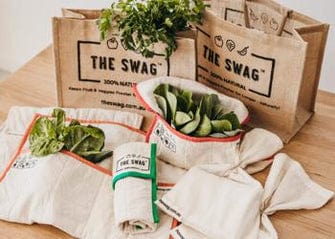
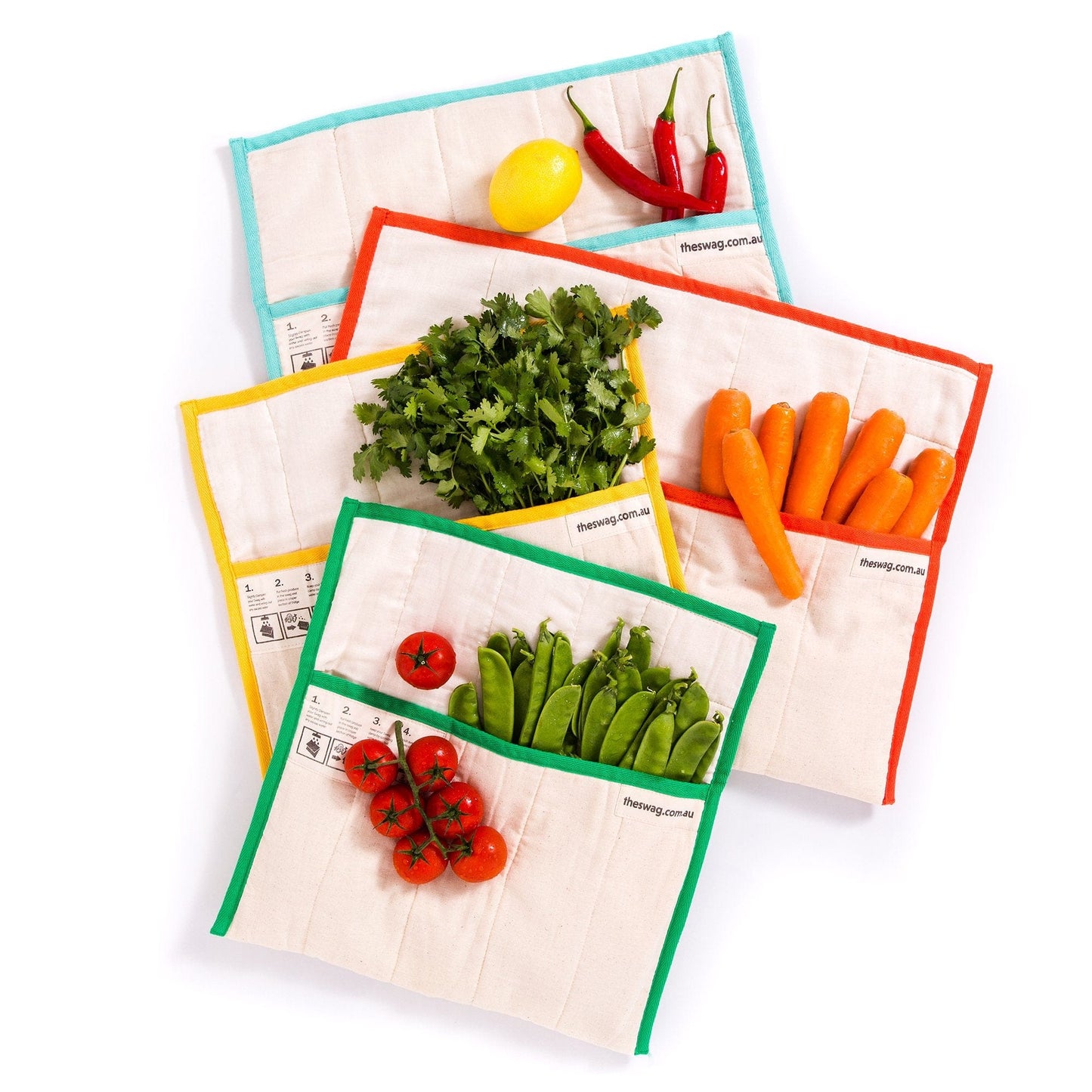
Storing produce in The Swag fridge bags helps vegetables stay fresher for longer by creating the right balance of moisture and airflow. Unlike plastic, which traps condensation and speeds up spoilage, The Swag’s breathable layers help prevent wilting, sliminess and mould.
They’re not just for whole vegetables either. Cut veg, pre-prepped salad ingredients and leftover produce can all be stored in The Swag to extend their life, making it easier to prep ahead without worrying about food going to waste.
Better storage means less last-minute binning, more flexibility with leftovers, and a fridge full of food that’s still good to eat days later.
5. Freeze what you won’t eat straight away
Freezing is one of the most underused tools for reducing food waste. Many Christmas foods freeze beautifully, including cooked vegetables, sauces, bread and even cheese.
If you know you won’t get through everything in time, freeze portions early, not once food is already on the turn.
6. Donate surplus food where possible
If you’ve over-catered or received excess food you won’t use, consider donating unopened, shelf-stable items to food rescue organisations such as OzHarvest. These charities help redirect good food to people who need it most, keeping it out of landfill and supporting communities.
A more mindful festive season
Reducing Christmas food waste in Australia isn’t about cutting back on joy, it’s about being more intentional. When we plan better, store food properly and value what we buy, we waste less and enjoy more.
This Christmas, a fridge full of food that actually gets eaten is a win for your wallet, your home and the planet.


