





Simple Ways to Reduce Your Plastic Pollution
A new environmental report by the Australian Microplastic Assessment Project (AUSMAP) has revealed a concerning increase in microplastic pollution across Sydney’s waterways. The research found that tiny fragments of plastic have tripled over the past three years in many shorelines around the city. This surge highlights how pervasive plastic contamination has become, and why urgent action is needed to protect our ecosystems and human health.
What the Report Found
The Australian Microplastic Assessment Project (AUSMAP), a long-running citizen science initiative, recently detected microplastics at dramatically higher levels along Sydney’s beaches and harbour shorelines.
Key findings include:
- An average of about 1,000 microplastic particles per square metre of shoreline - roughly 3x higher than previous surveys.
- High concentrations in areas such as Port Hacking, North Harbour, Botany Bay, and the Parramatta River.
- Most particles were made up of hard plastics and polystyrene foam, often originating from everyday items and packaging that break down into smaller pieces in the environment.
What are Microplastics?
Microplastics are defined as pieces of plastic smaller than 5 mm in size - invisible to the naked eye once dispersed - yet easily ingested by marine life.
Why Are Microplastics Harmful?
Although tiny, microplastics pose several significant environmental and health concerns:
Impact on Marine Life
Microplastics are readily consumed by fish, shellfish, and even plankton. Once inside organisms, they can cause physical harm and may transfer toxic chemicals up the food chain, eventually reaching larger animals and humans.
Human Health Questions
Microplastics have now been detected in drinking water, seafood, table salt, and even human tissues and bloodstreams, raising growing concern among scientists about what long-term exposure could mean for our health.
Because plastics are often made with chemical additives - such as BPA, phthalates, and flame retardants, microplastics can act as carriers for potentially harmful substances once inside the body. These chemicals have been linked in research to hormone disruption, inflammation, and other health risks. There is also concern that microplastics may attract and transport harmful bacteria and pollutants, allowing them to enter the food chain more easily.
While research is still ongoing and the full impact on human health is not yet fully understood, experts agree that reducing plastic pollution and limiting exposure where possible is a precautionary step worth taking.
Persistent Pollution
Unlike organic materials, plastic doesn’t biodegrade. Instead, it breaks into ever-smaller particles that remain in the environment for decades or longer.
These trends aren’t isolated to Sydney, they reflect a global plastic crisis. If current production and waste patterns continue, projections suggest plastics could outweigh fish in the ocean by 2050.
Government and Community Response
The New South Wales Government has already begun taking steps to reduce plastic pollution. Its Plastics Plan 2.0 includes measures to phase out certain problematic plastics, like bread tags, fruit stickers, and foam packaging, by 2027.
Other initiatives under discussion include:
- Mandating microfibre filters in new washing machines to catch synthetic fibres before they enter waterways.
- Better monitoring of microplastic loads from synthetic sports fields and urban surfaces.
- Encouraging industries to adopt plastic-free materials and transport practices.
Community science efforts, like AUSMAP, also help track pollution trends and empower citizens to push for stronger environmental protections.
How to Reduce Plastic Pollution at Home
While systemic change is vital, individual choices also matter. Making mindful swaps in your everyday life can help reduce plastic waste, and ultimately the microplastics that end up in water systems.
Here are some practical actions you can take:
Choose Reusable, Plastic-Free Alternatives
Reducing reliance on single-use and synthetic plastic products helps limit microplastics at the source.
Plastic-free reusable tea bags
Many conventional tea bags contain tiny amounts of plastic that can release microplastics when steeped. Choosing reusable cotton tea bags, like The Swag Tea Swag Set, keeps your cuppa delicious and waste-free.
Natural dish brushes instead of synthetic sponges
Kitchen sponges are often made with plastics that shed microfibres as they wear down. A natural dish brush, such as The Swag Dish Brush, provides effective cleaning with sustainably sourced bristles, and without microplastic shedding.
Reduce Food Waste with Smarter Storage
Food waste generates unnecessary plastic use (think extra packaging and more frequent shopping). Keeping produce fresher for longer reduces waste and cuts down on the resources needed to replace spoiled items.
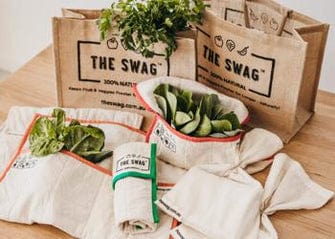
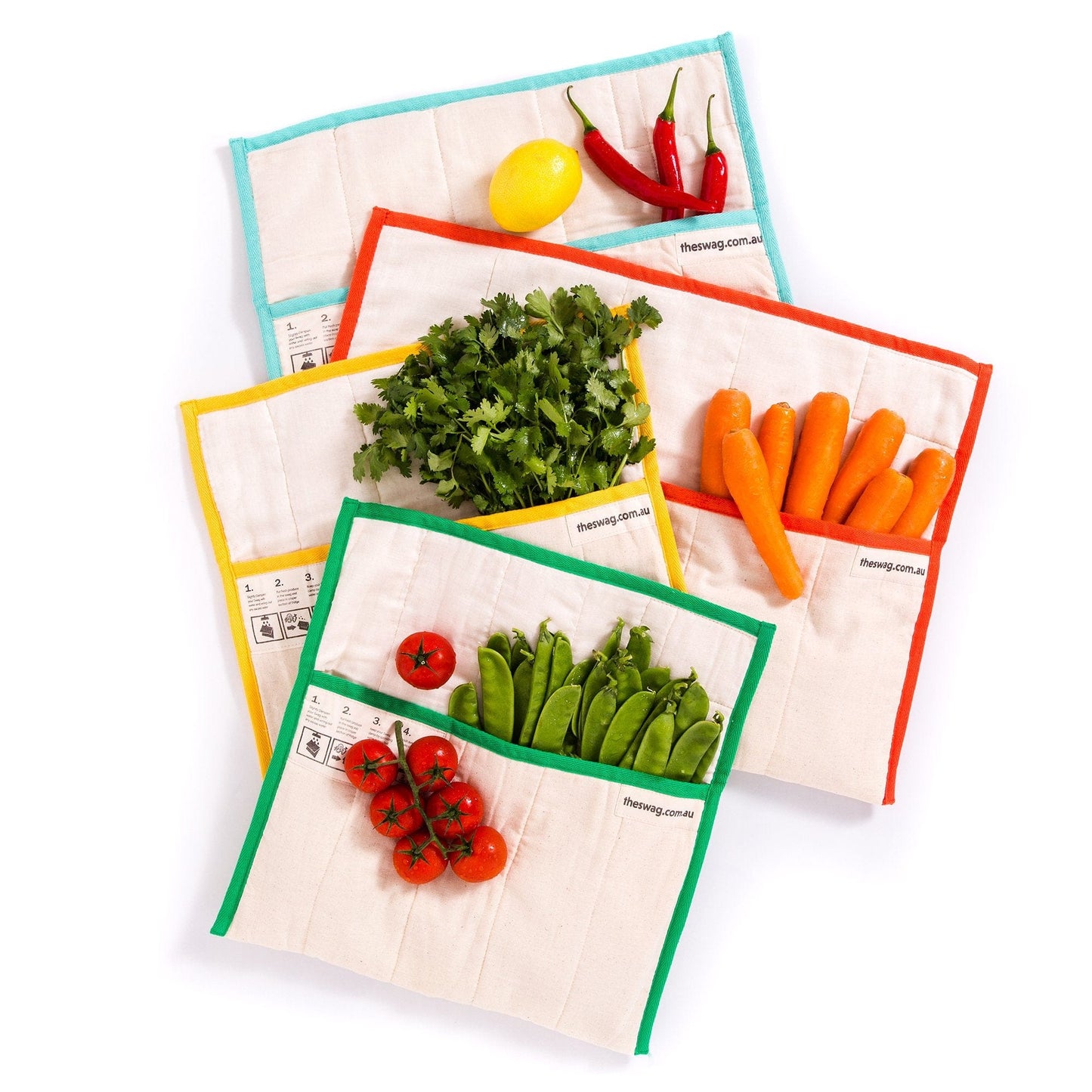
Reusable produce storage solutions like Swag fridge produce bags extend the life of fruit and vegetables significantly, helping reduce both food waste and plastic use at home.
Mindful Washing Habits
Synthetic fabrics shed fibres with every wash. Reduce microplastic release by:
- Washing clothes less frequently where possible.
- Using cooler, gentler wash cycles.
- Considering products designed to capture microfibres in your laundry, like filters and washing bags.
Reduce Single-Use Plastics When Shopping
Bringing reusable produce bags, reusable shopping bags, and refillable bottles/containers dramatically cuts down on plastic waste entering landfill and waterways. Over time, these choices add up.
A Shared Responsibility
The tripling of microplastics in Sydney’s waterways is a stark reminder that our plastic problem is far from solved. These tiny particles reflect a much larger issue, one that affects ecosystems, wildlife, and potentially human health.
But change is possible. Through policy reform, industry innovation, and mindful everyday choices, we can begin to reduce the flow of plastics into our environment and create a healthier future.
Remember, every reusable swap, every plastic-free purchase, and every mindful habit counts!


