






The hidden truth about “circular” sustainability
We’ve been told for years that recycling is the answer to plastic pollution. Rinse it, sort it, recycle it - and you’re doing your part.
But what if that narrative is only part of the story?
The reality is more complex, and more uncomfortable. Globally, only around 9% of plastic is actually recycled, and even less is effectively reused in a safe, closed-loop system. When it comes to materials like silicone, recycling infrastructure is even more limited, with only one dedicated silicone recycling facility in Australia.
So if recycling isn’t solving the problem… What is it actually doing?
The myth of “safe” recycled plastic
Recycling sounds clean and circular, but plastic doesn’t reset when it’s recycled.
Unlike glass or metal, plastic carries a chemical history. When it’s reprocessed, those chemicals don’t disappear - they persist.
Many recycled plastics can contain legacy toxins from their previous use, including:
-Brominated flame retardants (commonly found in electronics)
-Heavy metals like lead and cadmium (used in pigments)
- PFAS, often referred to as “forever chemicals”
These substances are known for being:
- Highly stable (they don’t break down easily)
- Bioaccumulative (they build up in the body over time)
- Linked to cancer, hormone disruption, and neurological effects
These fall under a broader category known as persistent organic pollutants (POPs) - chemicals that can remain in the environment and human body for decades.
The key issue?
Recycling doesn’t remove these substances - it can simply redistribute them.
Toxic circularity: when recycling spreads harm
There’s a growing concept in environmental science known as “toxic circularity.”
It challenges the idea that recycling is always beneficial. Instead of creating a clean loop, recycling can sometimes circulate contaminants into new products.
For example:
- Plastic from electronic waste is recycled
- That same material is used to make everyday items like black plastic utensils or food containers
- Flame retardants from electronics can end up in household products
This creates hidden exposure pathways, meaning toxins can quietly re-enter our daily lives in ways we don’t expect.
The hidden risk in food packaging
Recycled plastic used in food packaging is often considered “safe”, but the science is more nuanced.
The key issue is chemical migration.
Chemicals can transfer from plastic into food, particularly:
- When heated
- When in contact with fatty foods
- Over time
One often-overlooked example is black plastic food packaging and utensils. These are frequently made from recycled electronic waste, where plastics may have originally been treated with flame retardants.
During recycling, these chemicals aren’t always fully removed, meaning substances designed for electronics can end up in materials used around food.
Regulatory testing typically focuses on known chemicals, but many plastics also contain NIAS (non-intentionally added substances) - unknown by-products formed during manufacturing and recycling.
The problem? These are not always fully assessed for long-term health effects.
So while products may meet safety standards, those standards are based on incomplete knowledge, not absolute certainty.
Recycling changes plastic at a molecular level
Plastic recycling isn’t just melting and reshaping, it fundamentally alters the material.
During the process, plastics undergo:
- Polymer chain scission (breaking of molecular chains)
- Oxidation reactions
- Formation of volatile organic compounds (VOCs)
The result?
- Weaker, more brittle materials
- Reduced lifespan
- Increased potential for chemical leaching
This is why most plastics can only be recycled one to three times before they degrade beyond usability.
Microplastics: the invisible consequence
Recycling involves shredding, grinding, and reheating plastics - all of which accelerate fragmentation.
This contributes to the creation of:
- Microplastics
- Nanoplastics (small enough to cross cell membranes)
These particles have now been detected in:
- Human blood
- The placenta
- Even brain tissue (in emerging research)
They can act like sponges for toxic chemicals, carrying contaminants into the body.
Recent attention on this issue has grown, including in documentaries like The Plastic Detox on Netflix, which explore how microplastics are now being studied for their potential impact on human health - including fertility.
Early research suggests microplastics may:
- Interfere with hormone function
- Contribute to inflammation
- Potentially affect reproductive health in both men and women
While the science is still evolving, the concern is clear: we are only just beginning to understand the long-term effects of chronic, low-level exposure.
This is where plastic pollution becomes more than an environmental issue, it becomes a human health concern.
Read our previous blog on how microplastics are affecting our brain health here.
The overlooked cost: emissions and exposure
Recycling isn’t always as clean as it seems.
In some systems, particularly where regulation is limited, plastics are processed at high temperatures without adequate filtration. This can release:
- Dioxins (especially from PVC)
- Polycyclic aromatic hydrocarbons (PAHs)
- Fine particulate matter
These are linked to respiratory disease and increased cancer risk, particularly for workers in recycling facilities.
In some cases, low-quality recycling simply delays the inevitable - plastics are eventually incinerated, releasing further toxins and emissions.
The bigger issue: plastic was never designed to be recycled
Here’s the fundamental problem: plastic was never designed for circularity.
There are thousands of different plastic formulations, often incompatible with each other. Sorting systems are imperfect, and economically, virgin plastic is often cheaper than recycled material.
This means recycling often becomes a temporary fix, not a long-term solution.
So, what’s the real solution?
To be clear, recycling is of course still better than landfill or ocean pollution. And in tightly controlled systems (like PET bottle-to-bottle recycling), it can be relatively effective.
But it’s not the answer to the plastic crisis.
👉 The real solution is reducing reliance on plastic altogether.
That means shifting towards materials that are:
- Non-toxic
- Durable
- Truly reusable
- Designed with longevity in mind
A return to natural materials
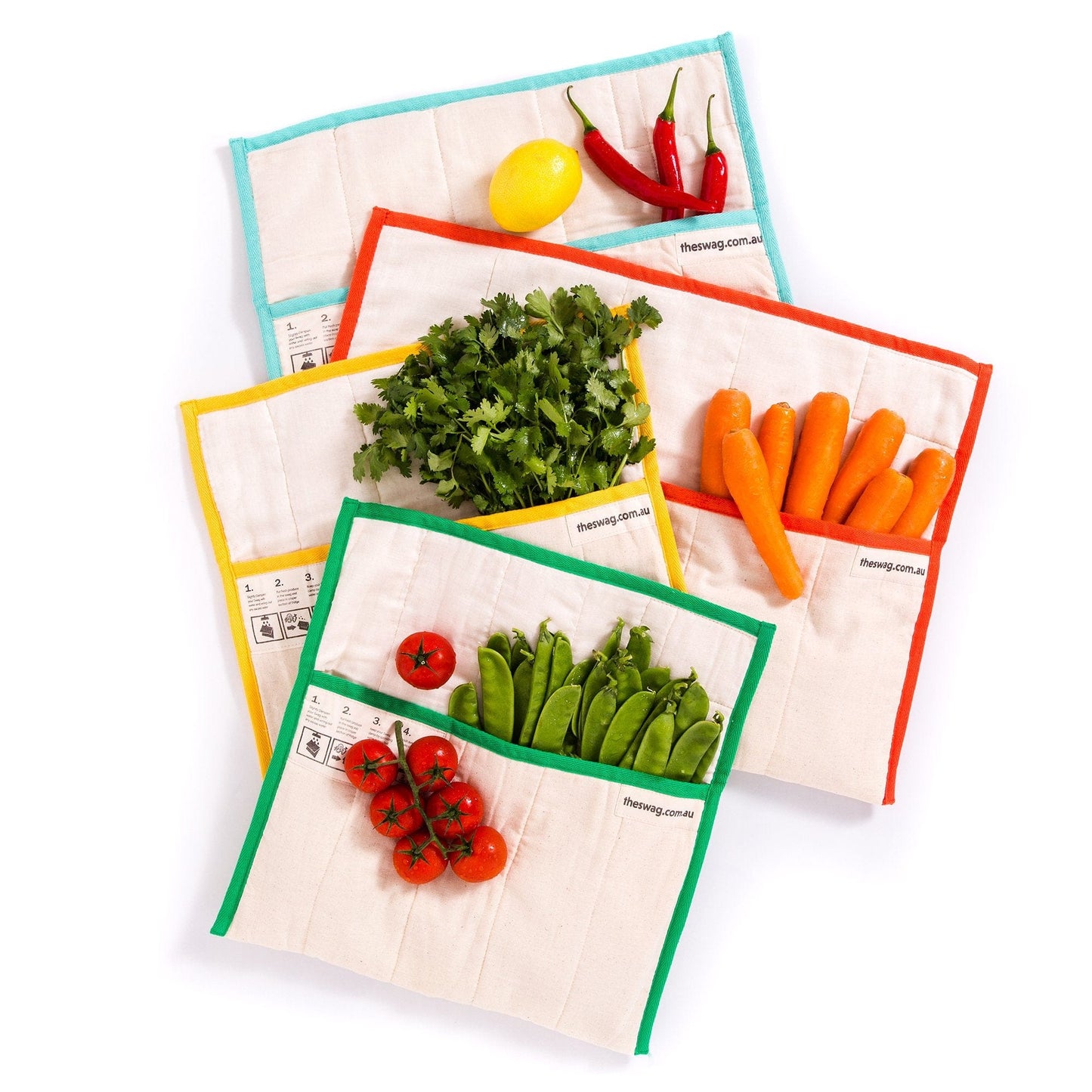
At The Swag, we believe the future isn’t about better plastic, it’s about moving beyond it entirely. That’s why our produce bags (and all our products) are plastic free.
No plastic. No hidden toxins. No false promises of circularity.
Just natural, breathable, reusable materials designed to work with nature, not against it.
Sometimes the most powerful solution isn’t new technology. It’s going back to what worked all along!
Explore our range of plastic free home essentials here.


