






Small changes that can reduce your landfill footprint
Australia is facing a growing waste challenge. Recent reporting has highlighted that several major landfill sites in Sydney are expected to reach capacity within the next few years (by 2030), raising concerns about how the country will manage its growing waste problem.
Proposals being discussed include transporting rubbish to regional communities or building waste-to-energy incinerators to handle excess waste. While infrastructure solutions are part of the conversation, they also highlight a bigger issue: the amount of waste we generate in the first place.
The reality is that much of what ends up in landfill starts in our homes.
From food scraps and plastic packaging to clothing, household items and everyday disposables, small daily habits add up quickly. The good news is that reducing your landfill footprint doesn’t require major lifestyle changes. Often, it’s the simple shifts that make the biggest difference.
Here are some practical ways you can reduce the amount of household waste you send to landfill.
1. Reduce food waste at home
Food waste is one of the biggest contributors to household landfill. In Australia, large amounts of fresh produce are thrown away simply because they spoil before we have the chance to use them.
When food goes to landfill, it doesn’t just waste the food itself, it wastes all the resources used to produce it, including water, energy, transport and labour. Food waste in landfill also produces methane, a potent greenhouse gas.
There are a few simple ways to reduce food waste at home:
Store produce properly
Fresh fruit and vegetables often spoil faster when stored in plastic bags, which trap moisture and limit airflow.
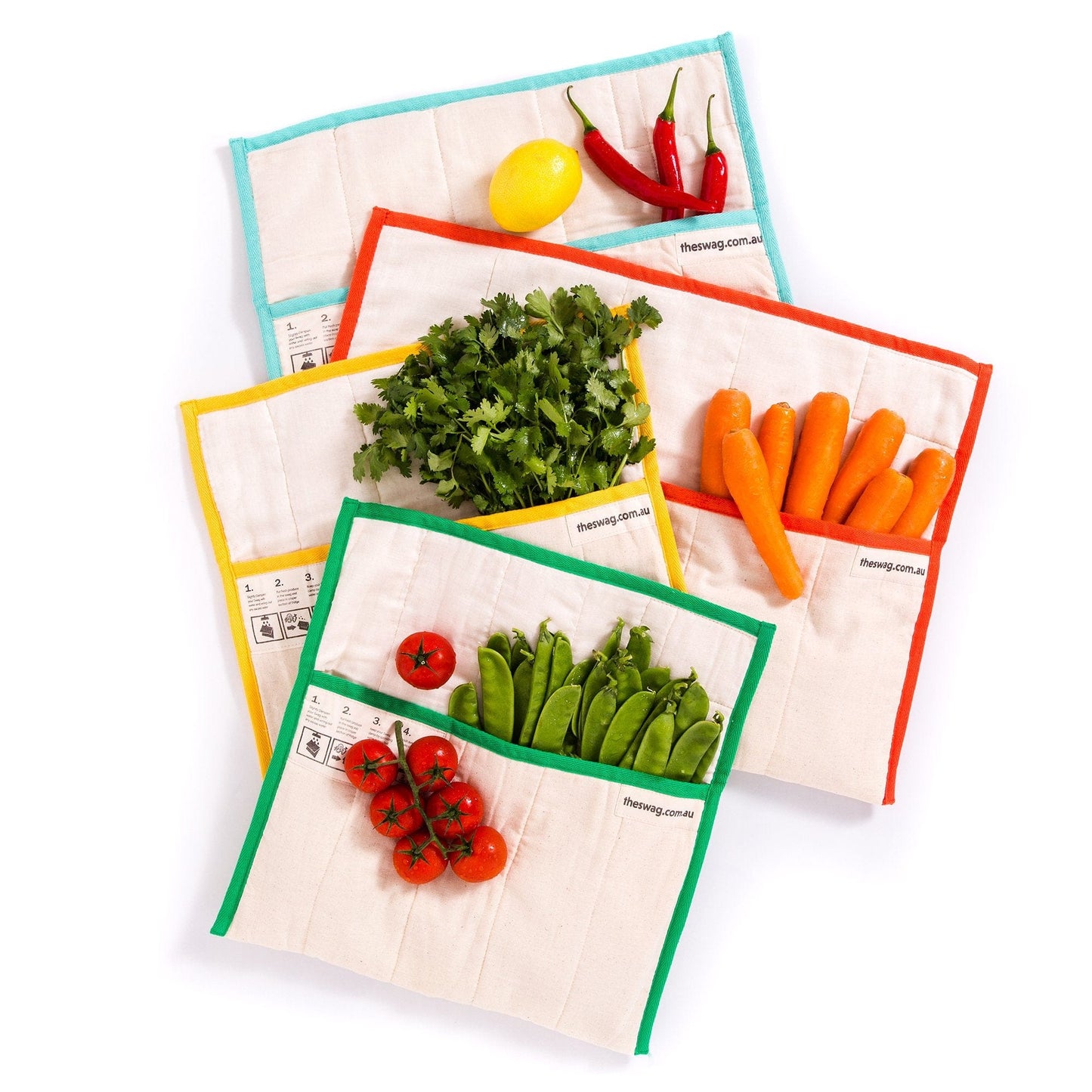
Breathable storage solutions help regulate humidity and allow produce to stay fresher for longer. Products like The Swag produce bags are designed to balance moisture and airflow, helping vegetables, herbs and leafy greens last weeks instead of days.
Plan meals before shopping
A quick meal plan can help ensure you only buy what you need and actually use what you bring home.
Use what you already have
Before heading to the shops, check your fridge, freezer and pantry. Many households already have ingredients that can be used up before buying more.
Freeze leftovers
Freezing soups, cooked grains or extra vegetables can prevent food from going to waste.
Small changes in how we store and plan our food can significantly reduce the amount that ends up in the bin.
2. Reduce single-use plastic in the kitchen
Another major contributor to landfill is single-use plastic. From food packaging to cling wrap and disposable wipes, plastic often gets used once and then thrown away. Plastic can take hundreds of years to break down in landfill, and much of it eventually ends up in the environment.
Some simple swaps can make a big difference:
• Bring reusable loose produce bags when grocery shopping
• Use reusable food covers instead of cling wrap
• Replace disposable paper towels with reusable cloths
• Use refillable containers instead of single-use packaging
These swaps reduce both plastic waste and the amount of rubbish leaving your home each week.
3. Shop more mindfully
One of the most effective ways to reduce waste is to simply buy less. Impulse purchases and overbuying are common reasons items end up unused or thrown away. Shopping more mindfully can help reduce both waste and spending.
A few helpful habits include:
• Buying only what you know you’ll use
• Choosing quality items that last longer
• Avoiding unnecessary packaging when possible
• Shopping local markets or bulk stores
Buying intentionally helps reduce clutter and prevents items from becoming future landfill.
4. Choose refillable and reusable products
Many everyday household products are designed to be disposable, but reusable alternatives are increasingly easy to find. Refillable cleaning products, reusable tea bags, cloth wipes and bulk food containers all reduce the need for constant repurchasing and packaging. Reusable kitchen items also tend to last much longer, meaning fewer replacements and less waste overall.
Even small swaps, like replacing disposable tea bags with reusable ones or switching to compostable cleaning tools, can help reduce the amount of rubbish your household generates.
5. Donate instead of throwing things away
One of the simplest ways to reduce landfill is to give items a second life. Clothing, household goods, kitchen items, books and furniture are often thrown away even though they’re still usable. Donating these items keeps them out of landfill and allows someone else to benefit from them.
Local charities, community organisations and op shops often accept a wide range of donations, including:
• Clothing and shoes
• Kitchenware and appliances
• Home décor
• Books and toys
• Furniture
Many communities also have online groups where people give away items for free instead of discarding them.
Before throwing something away, it’s always worth asking: could someone else use this?
6. Buy second-hand when possible
Buying second-hand is another powerful way to reduce landfill waste. From clothing and furniture to kitchen items and home décor, many second-hand items are still in excellent condition and can be used for years to come.
Shopping second-hand helps:
• Reduce demand for new production
• Keep usable items out of landfill
• Save money
• Support local charities and community stores
Thrift stores, online marketplaces and local community groups make it easier than ever to find pre-loved items.
7. Compost food scraps
Even when food can’t be saved, composting can prevent it from going to landfill. Composting turns food scraps like fruit peels, vegetable trimmings and coffee grounds into nutrient-rich soil for gardens. Many councils now offer green waste or compost programs, and home compost bins are widely available for households with gardens or outdoor spaces. Keeping organic waste out of landfill reduces methane emissions and helps return nutrients to the soil.
Small changes add up
Reducing landfill waste doesn’t require perfection. In fact, even a few small changes can make a noticeable difference. Choosing reusable products, reducing food waste, donating unwanted items and shopping more intentionally can significantly cut down the amount of waste your household produces.
When millions of households adopt these habits, the impact becomes much larger, helping reduce pressure on landfill sites and creating a more sustainable future. The goal isn’t to eliminate waste overnight, but to take small, practical steps that make everyday life a little less wasteful.


